
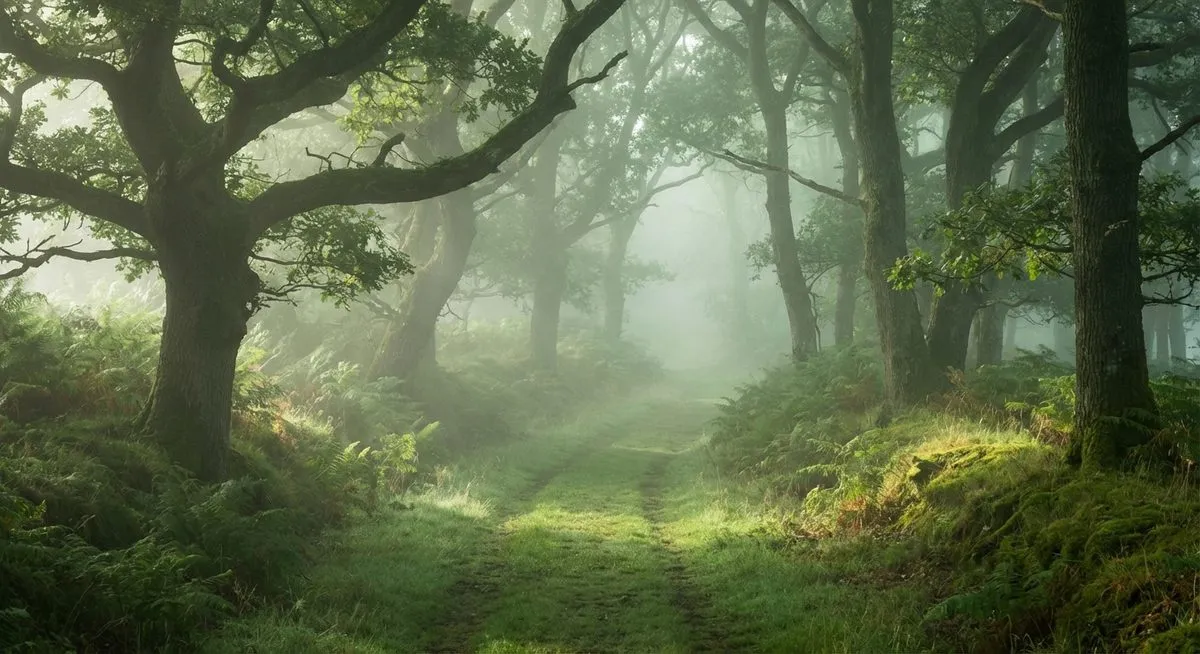
The most memorable stays at country estates are rarely the most organised. They are not the ones with the most structured itinerary, the most efficient check-in, or the most polished concierge service. They are the ones where a guest wandered off the main path, found something they were not looking for, and felt, just for a moment, like they had discovered it themselves.
That feeling of discovery is not accidental. It is the single most powerful emotion a hospitality experience can create. And it is also the hardest to engineer without destroying it.
The Paradox of Guided Spontaneity
Guests want to feel like explorers, but most of them will not actually explore without a nudge. They stay on the main path, visit the restaurant, walk to the nearest garden, and go back inside. The curiosity is there; the confidence is not.
A truly unguided experience produces anxiety in most visitors. Where am I? Am I allowed here? Is there anything worth seeing down this path? Without answers to these questions, the default is to retreat to the familiar.
But a rigidly guided experience, a fixed tour at 2pm, a numbered audio guide, a printed itinerary, kills the very sense of discovery you are trying to create. Nobody feels like an explorer when they are following instructions.
The solution is what we might call guided spontaneity: give guests enough information to feel confident wandering, but not so much that the experience feels prescribed. Show them there are stories out there. Let them choose which ones to find.
The art is in the balance. Enough structure to give confidence. Enough freedom to create the feeling that every discovery was theirs.
Why Discovery Feels So Good
Psychologists have a term for the pleasure we feel when we find something unexpected: the novelty response. Research in neuroscience shows that the brain releases dopamine not when we experience something pleasant, but when we experience something surprisingly pleasant. Expected pleasure satisfies. Unexpected pleasure delights.
This is why a guest who is told "go and see the walled garden" has a different experience from a guest who stumbles upon it while following a path through the woods. The garden is the same. The delight is not.
Ask people how they like to see a historic property and most will tell you the same thing: at their own pace, not on a prescribed route. What they are really saying is: let me discover it. Let me feel like it was my find.
The Landscape as Storyteller
The estates that create the strongest memories are the ones where the landscape itself seems to be telling stories. Not through signage. Not through a guide's microphone. But through small moments of revelation that appear at exactly the right moment.
A story map does this quietly. A guest walks towards a lake and a story appears on their phone. Nobody sent them that way; they chose the direction, so the story lands as a reward for curiosity rather than a lesson they were made to attend.
It has none of the schoolroom hush of an audio guide telling you to proceed to Stop 4. It is closer to the experience of reading a plaque at a point of interest, except the plaque appeared only because you happened to walk this way, and it tells a story that makes you glad you did.
What This Means for Properties
If you want your guests to have the experience of getting beautifully lost, three principles help:
1. Remove the fear of being truly lost
As research on wayfinding interventions has shown, removing navigational anxiety dramatically increases willingness to explore. A GPS blue dot on a map of the grounds eliminates anxiety without eliminating exploration. Guests can wander freely, take unexpected turns, and explore paths they have not tried, knowing that they can always see where they are and find their way back. Freedom without fear.
2. Reward exploration, don't mandate it
Place stories at points of interest that guests will only find if they explore. The folly at the edge of the wood. The bench with the view that only regulars know about. When a guest reaches one of these spots and a story appears, it feels like a prize, not a task they were supposed to complete.
3. Never make the guest feel like they are missing things
A numbered list of 25 stops creates the implicit pressure to see them all. A map with scattered pins, no numbers, and no prescribed order says: wander. Find what finds you. There is no wrong route and nothing you are supposed to do.
The guest who visits five spots and loves them all has a better experience than the guest who visits fifteen and feels like they should have seen twenty.
The Irony
The irony of hospitality is this: the more carefully you curate an experience, the more effortless it should feel. The best restaurants make cooking look easy. The best hotels make service feel invisible. And the best estate experiences make discovery feel accidental.
Behind the scenes, of course, it is not accidental at all. Someone chose those points of interest. Someone wrote those stories. Someone decided where to place the bench and which path to clear. But the guest does not need to see the work. They just need to feel the wonder.
That is the real job: to create the conditions for a guest to get beautifully, safely, unforgettably lost, and to find something they did not know they were looking for.